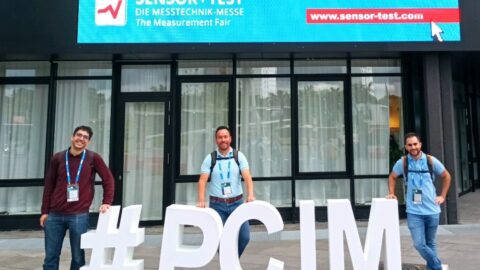
ODYSSEV partners CIRCE, FHNW, and MTAL participated in PCIM Europe 2026 in Nuremberg, one of the leading international events...
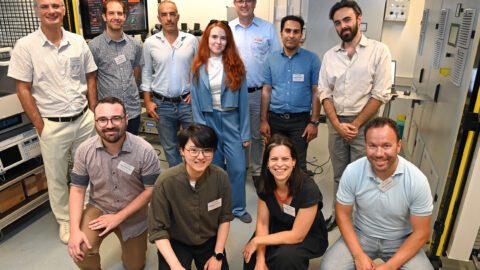
On 23 June 2026, the ODYSSEV consortium gathered in Dortmund, Germany, for its second Project Meeting, hosted by FH...
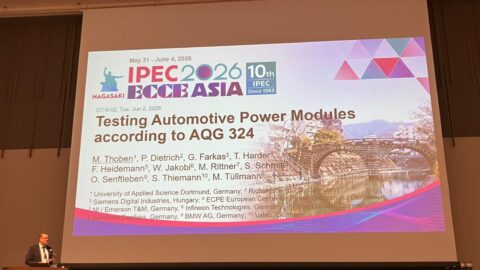
ODYSSEV partners participated in the International Power Electronics Conference (IPEC 2026 - ECCE Asia), held from 31 May to 4 June 2026 in...

ODYSSEV joins forces with the E-VOLVE cluster, actively supporting the joint efforts towards innovations in electric vehicle transportation! The...
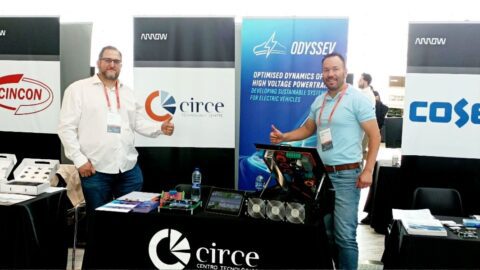
On 28 May 2026, ODYSSEV was represented at the Arrow MultiSolution Day conference at IFEMA Madrid, one of Europe's...
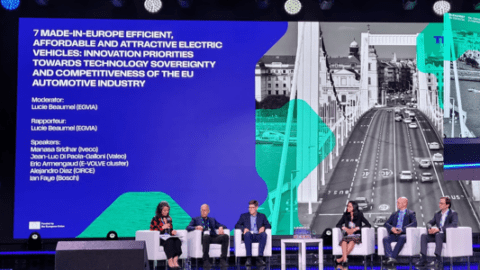
CIRCE participated in the Transport Research Arena (TRA) Conference 2026, held from 18 to 21 May 2026 at the...

We are pleased to strengthen collaboration with HiVEP (High-Voltage fast-charging Efficient electric vehicle Powertrains), a Horizon Europe project funded...

We are delighted to join forces with GEN1200 project (Ultra-Efficient Highly-Integrated 1200V Powertrains for Electric Vehicles Enabling Next-Generation Charging...
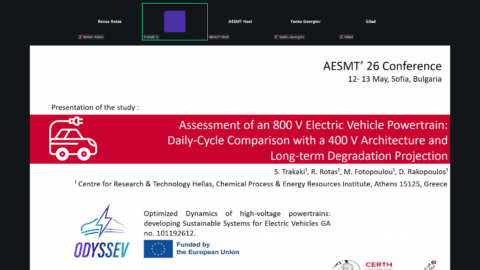
The Centre for Research & Technology Hellas (CERTH) marked a significant milestone for the ODYSSEV project by presenting its...

We are excited to announce a new strategic collaboration with the Enlighten (nExt geNeration 1200V eLectric hIGH VOLTAGE powErtraiN)...